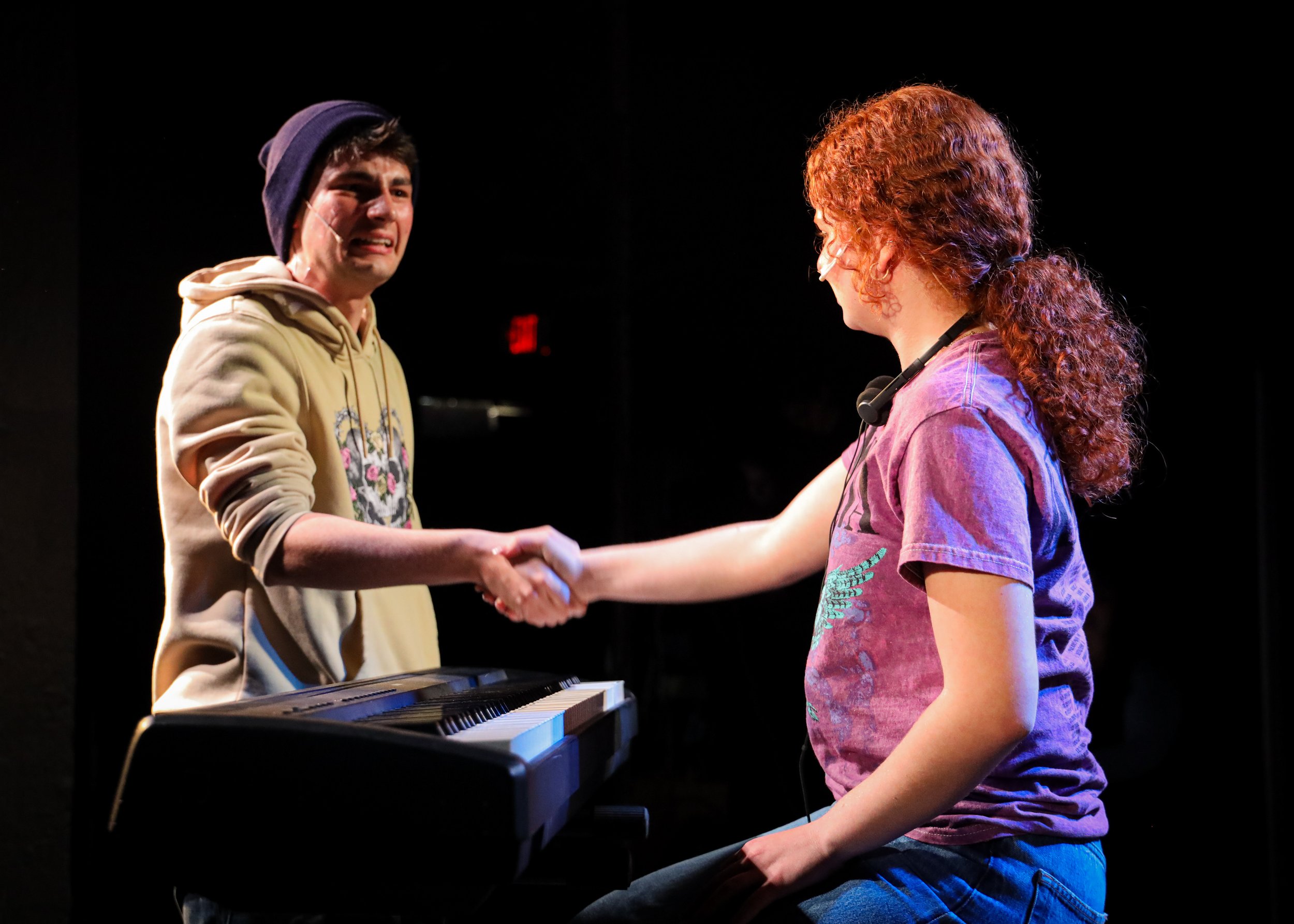
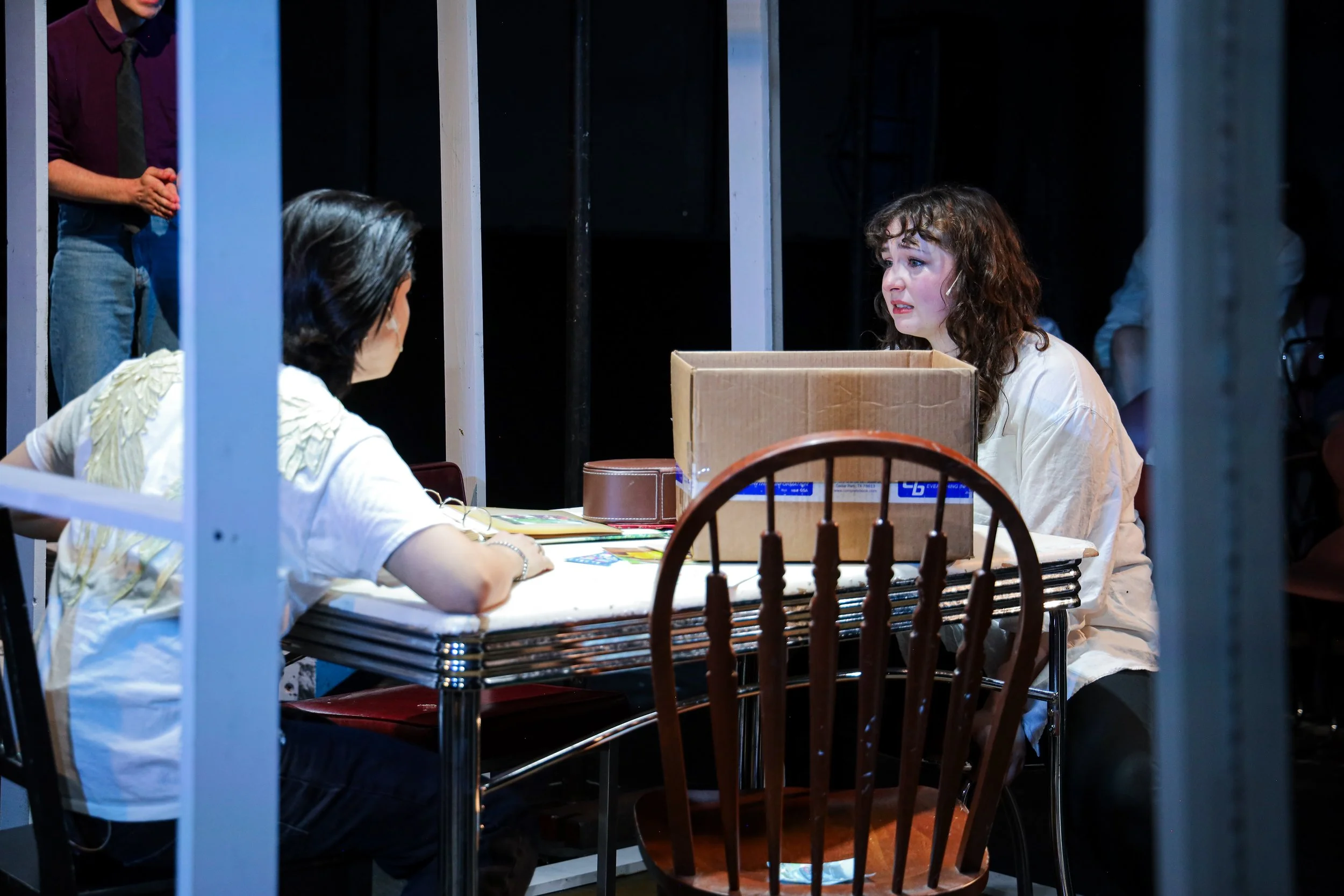
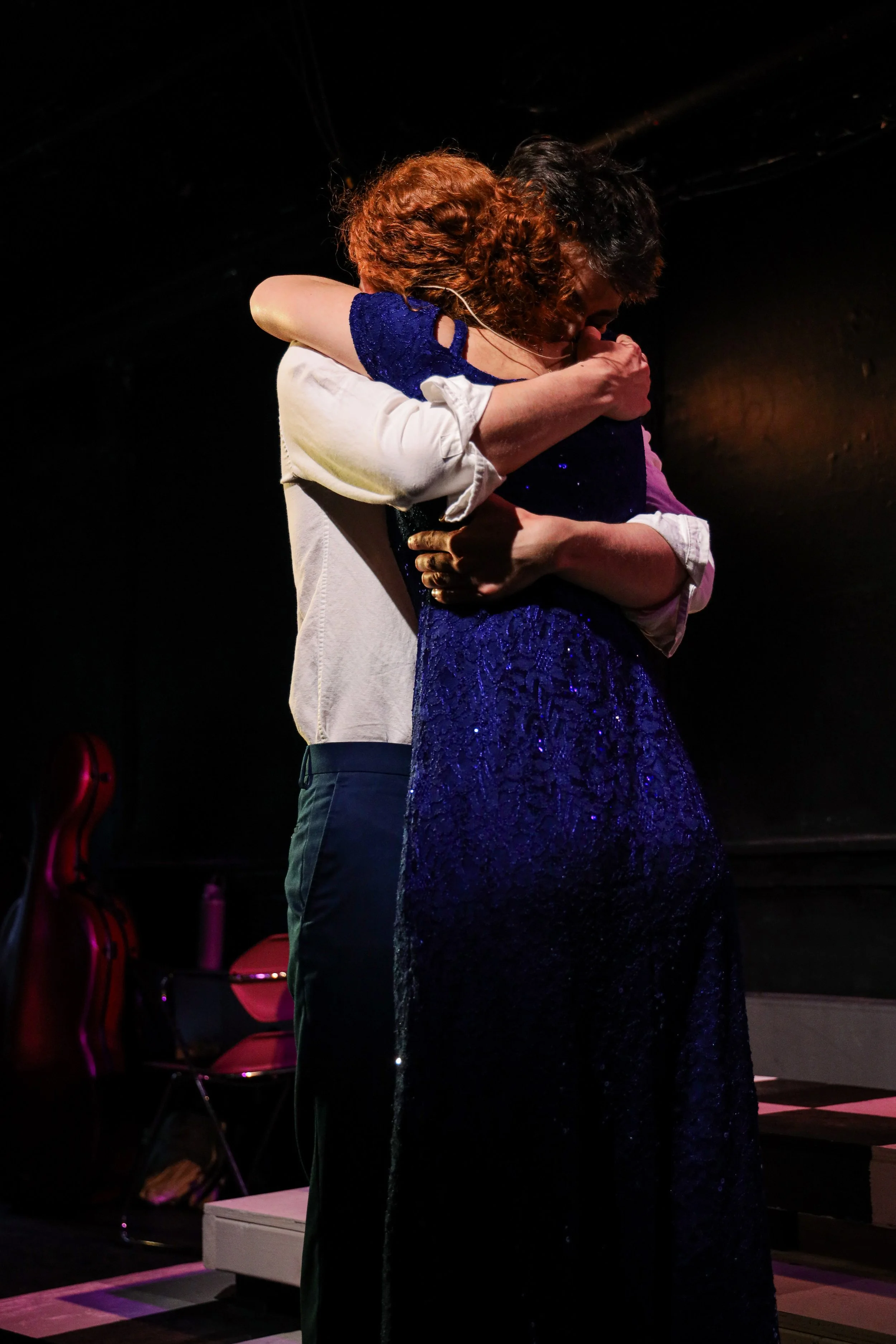
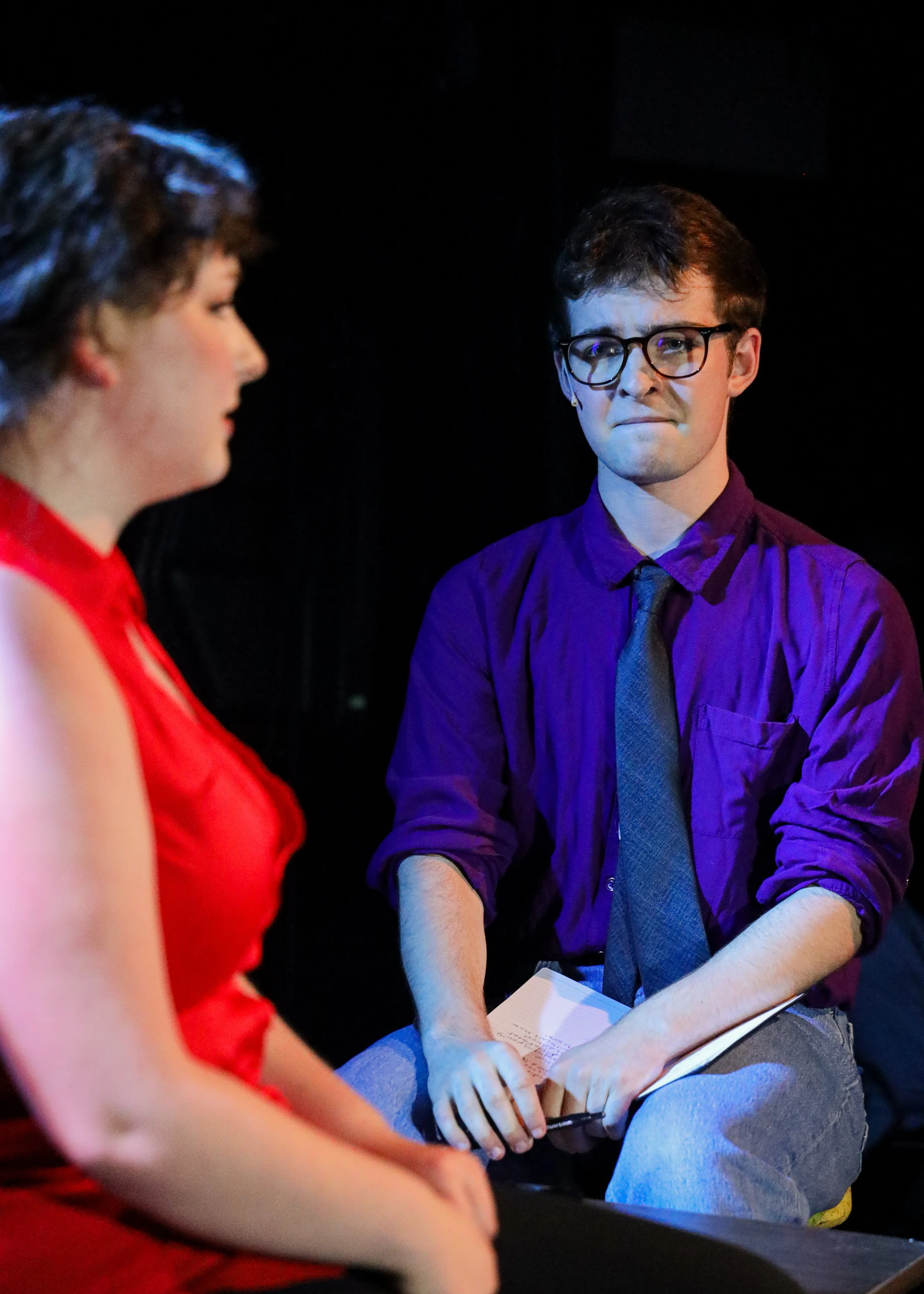
Next to Normal
Northwestern University Student Theatre Coalition - Arts Alliance (June 2025)
Cast:
Diana - Devin Eichel
Dan - Tyler Guinto-Brody
Natalie - Yara Nasr
Gabe - Ethan Park
Henry - Timmy Woodward
Dr. Fine / Madden - Aiden Einhorn
Team:
Choreographer - Marcella Tracy
Music Directors - Brandon Baade, Claire Shapiro
Stage Manager - Ella Poon
Asst. Stage Managers - Naomi Ko, Stephania Kontopanos
Asst. Directors - Laurel Eith, Arina Klus
Scenic Designer / Technical Director - Will Boyle
Lighting Designer - Alex Branka
Costume Designer - Asha Mehta
Sound Designer - Hayley Chisholm
Hair & Makeup Designer - AJ Dickerson
Fight & Intimacy Coordinator - Grace Wagner
Dramaturg - Kiki Sikora
Props Designers - Jay Jeon, Rachel Olkin, JingXi Yap
Graphic Director - Nicholas Portella
Marketing Director - Drew Slager
Fundraising Director - Ryan Lien
Casting Director - Yuni Mora
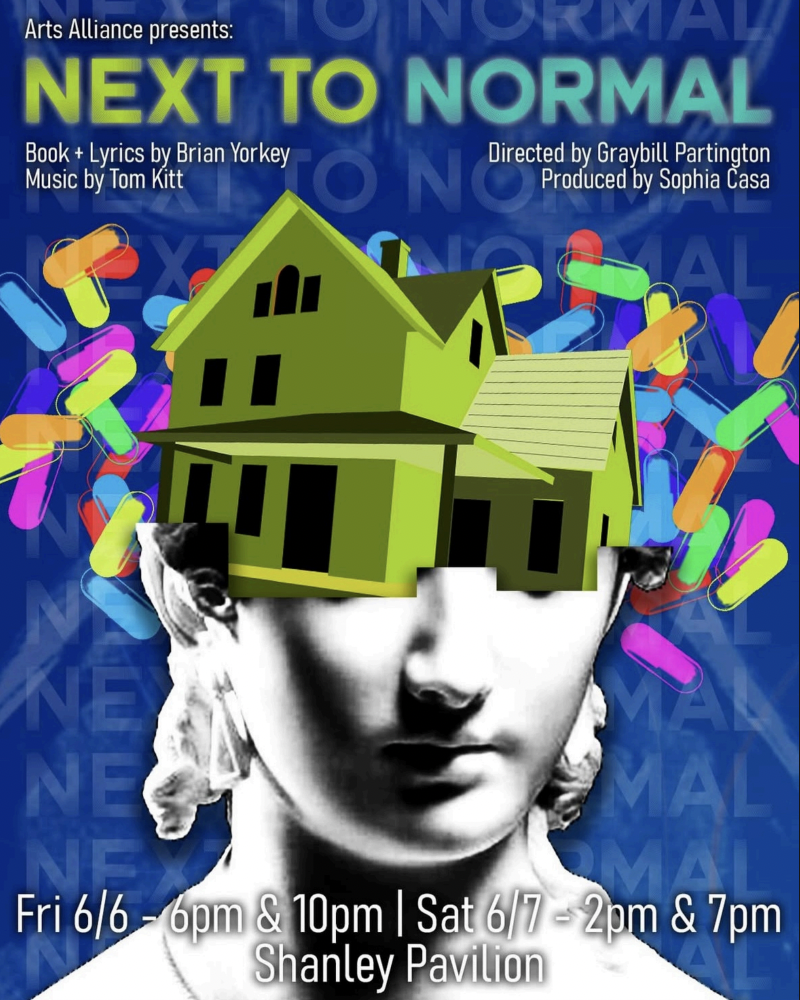
Book and Lyrics by Brian Yorkey, Music by Tom Kitt
Directed by Graybill Partington
Produced by Sophia Casa
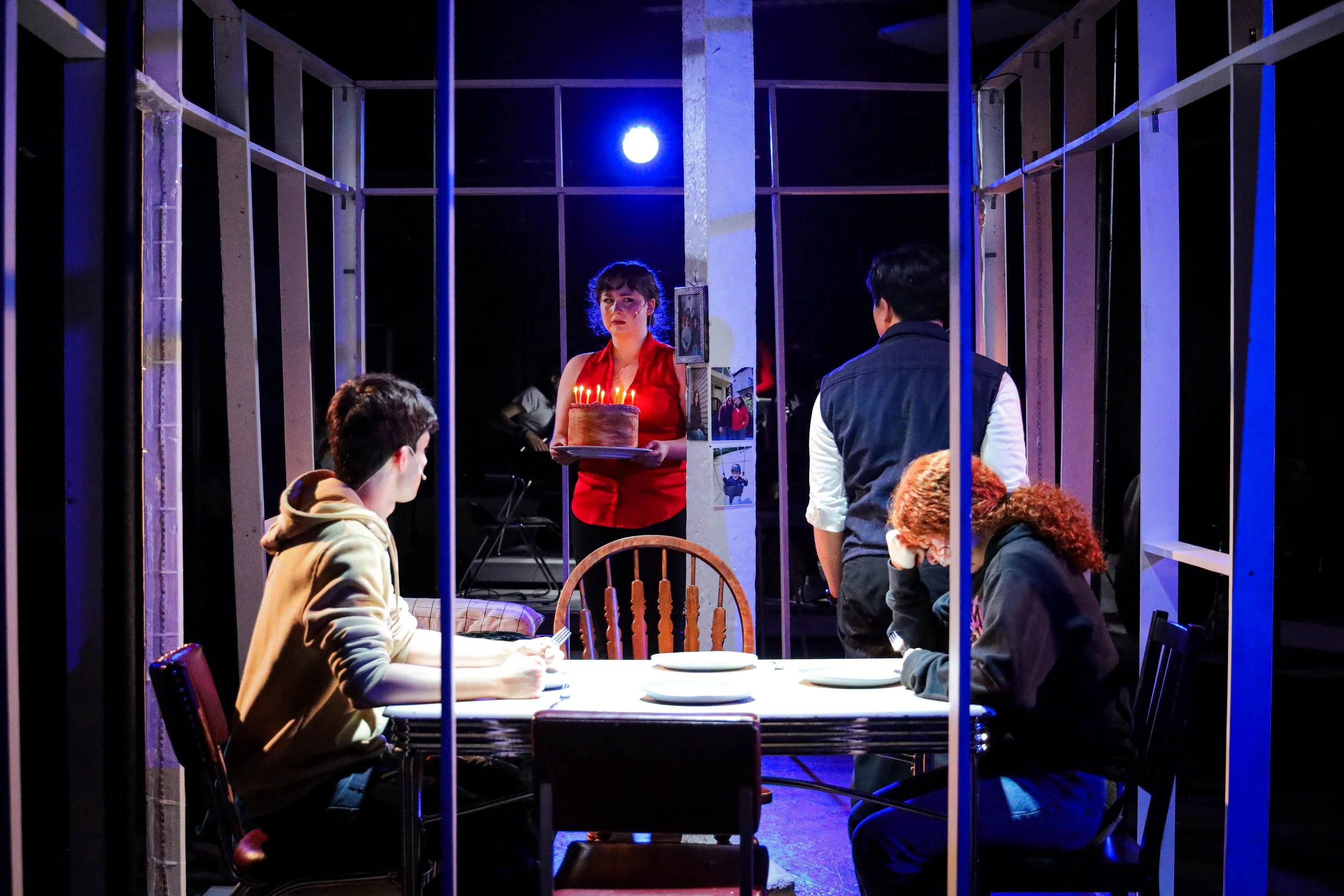
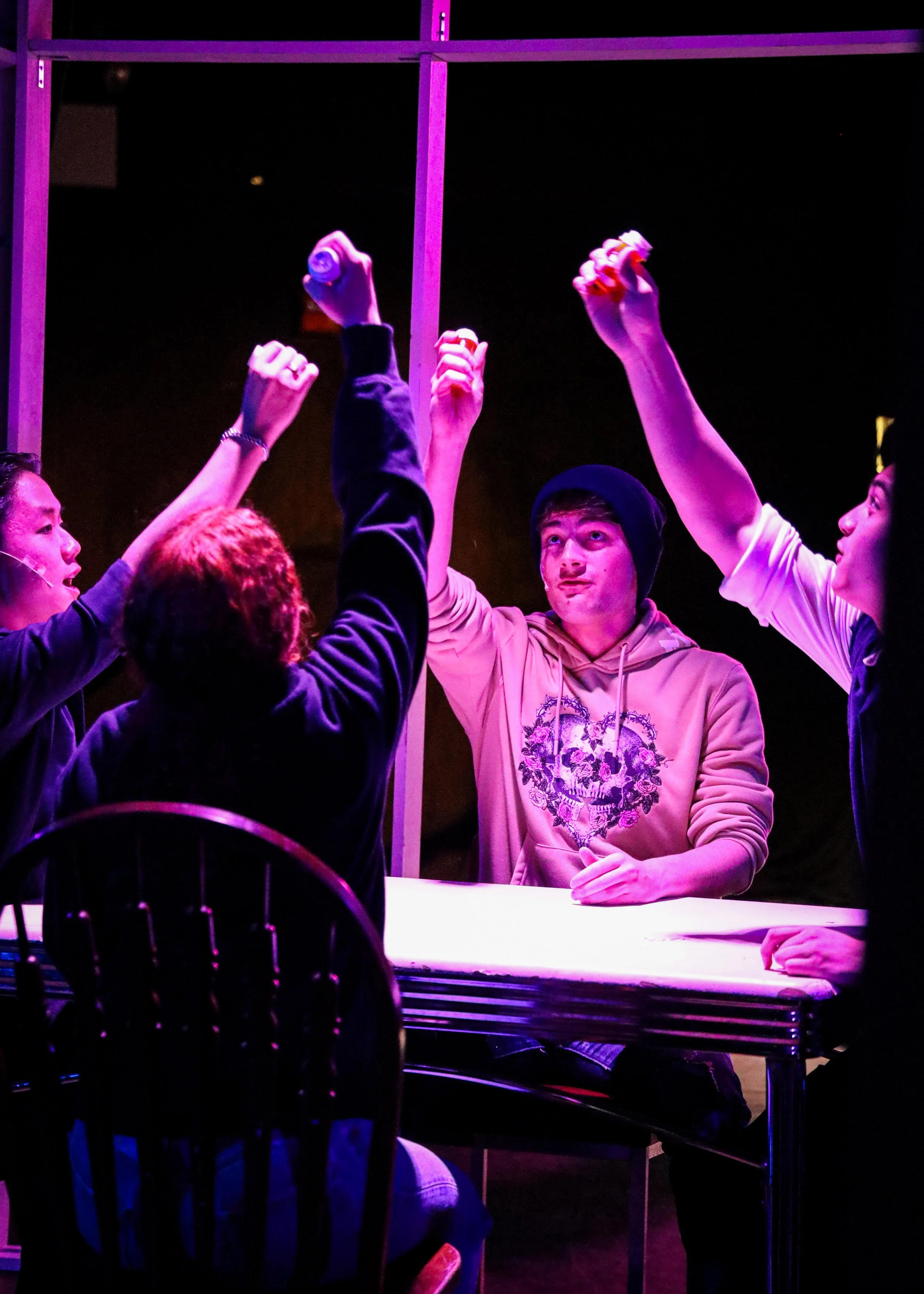
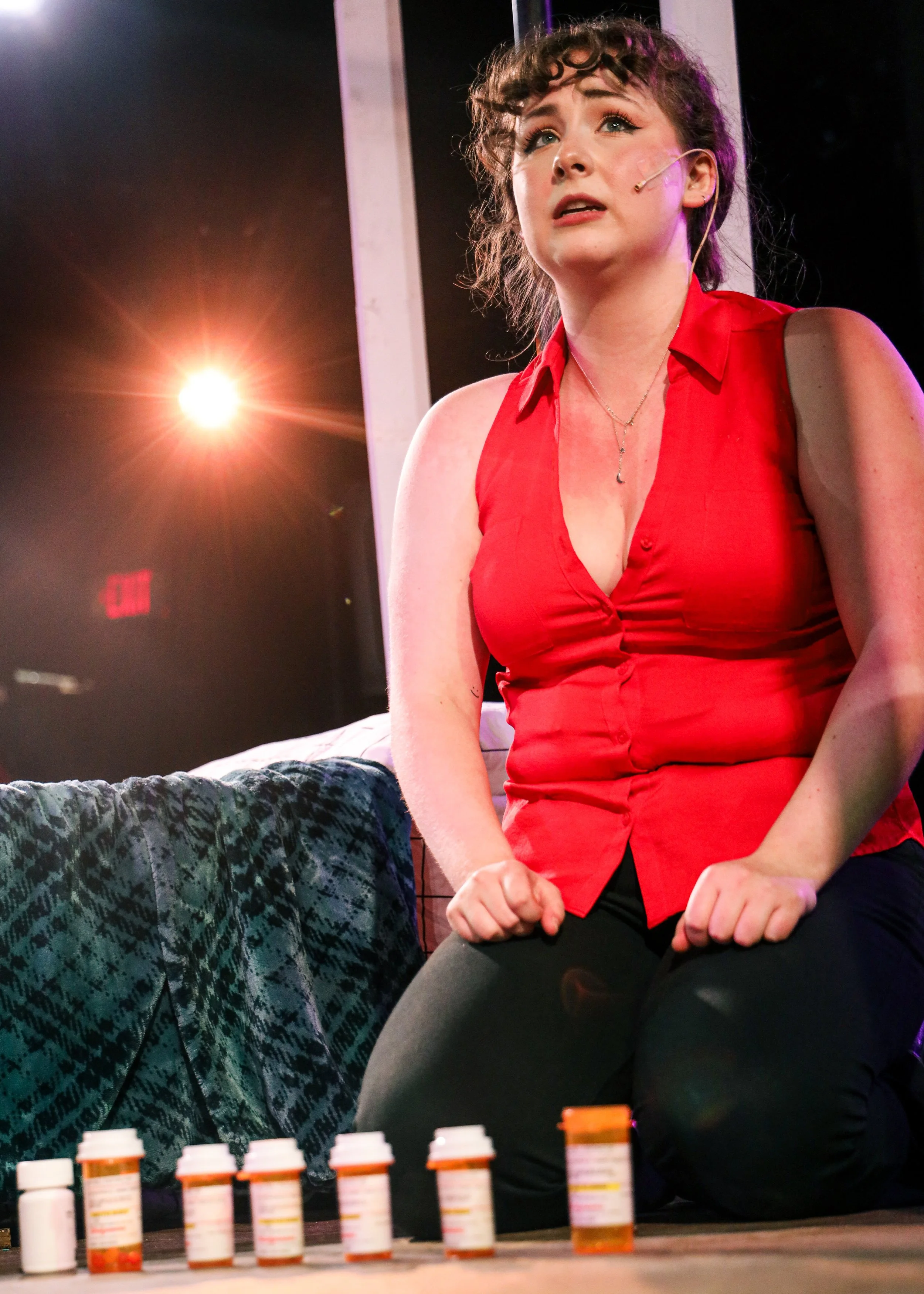
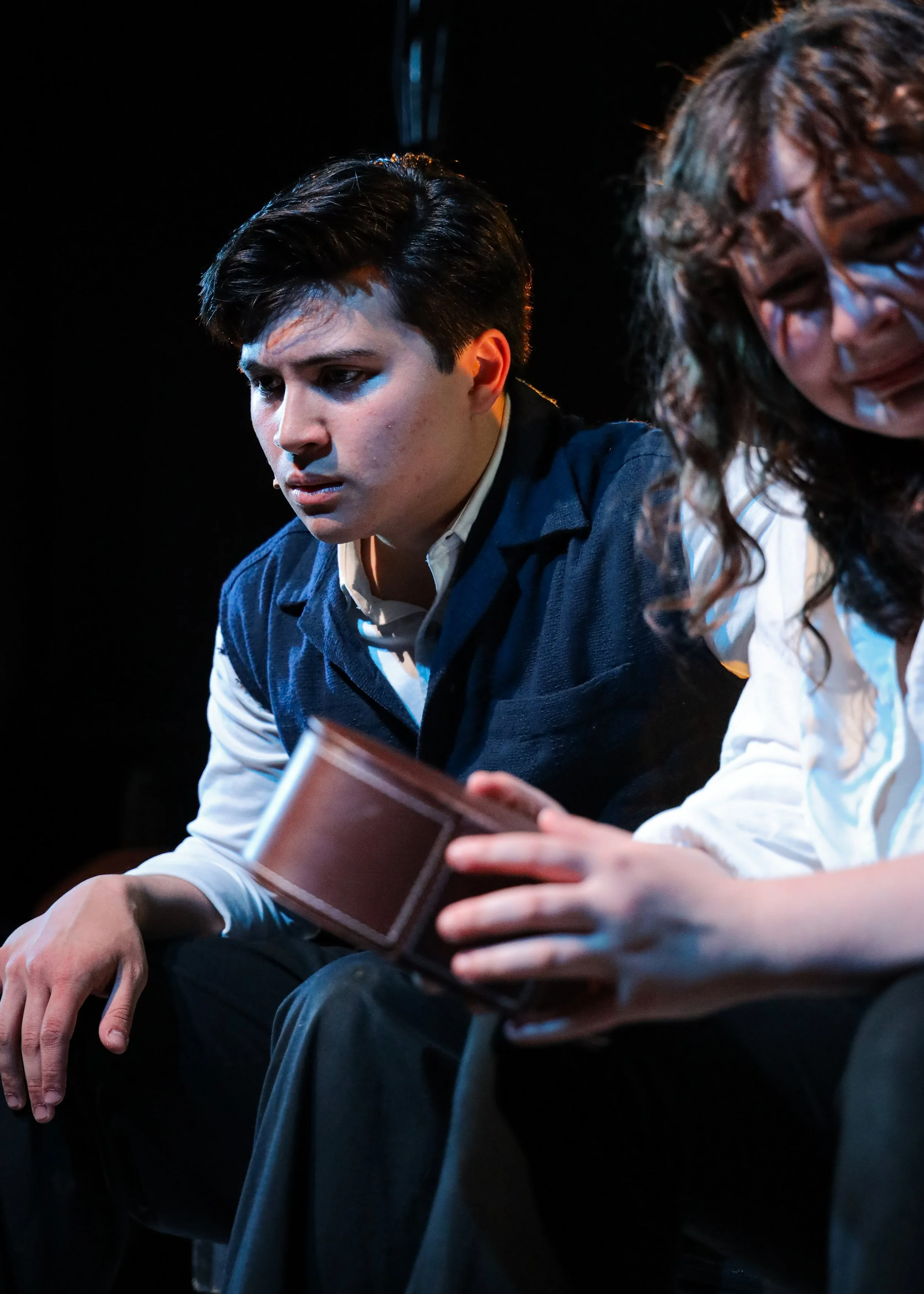
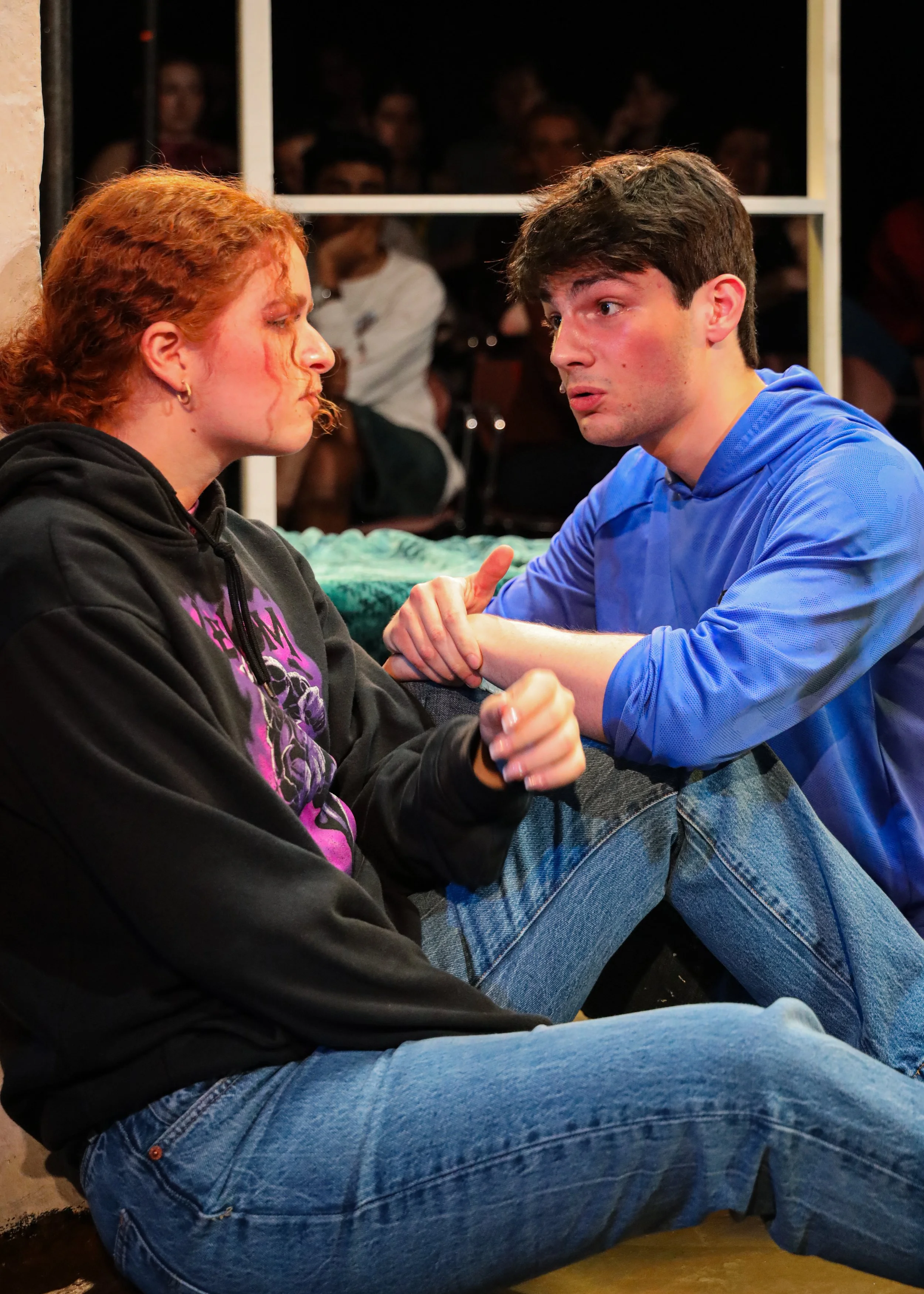
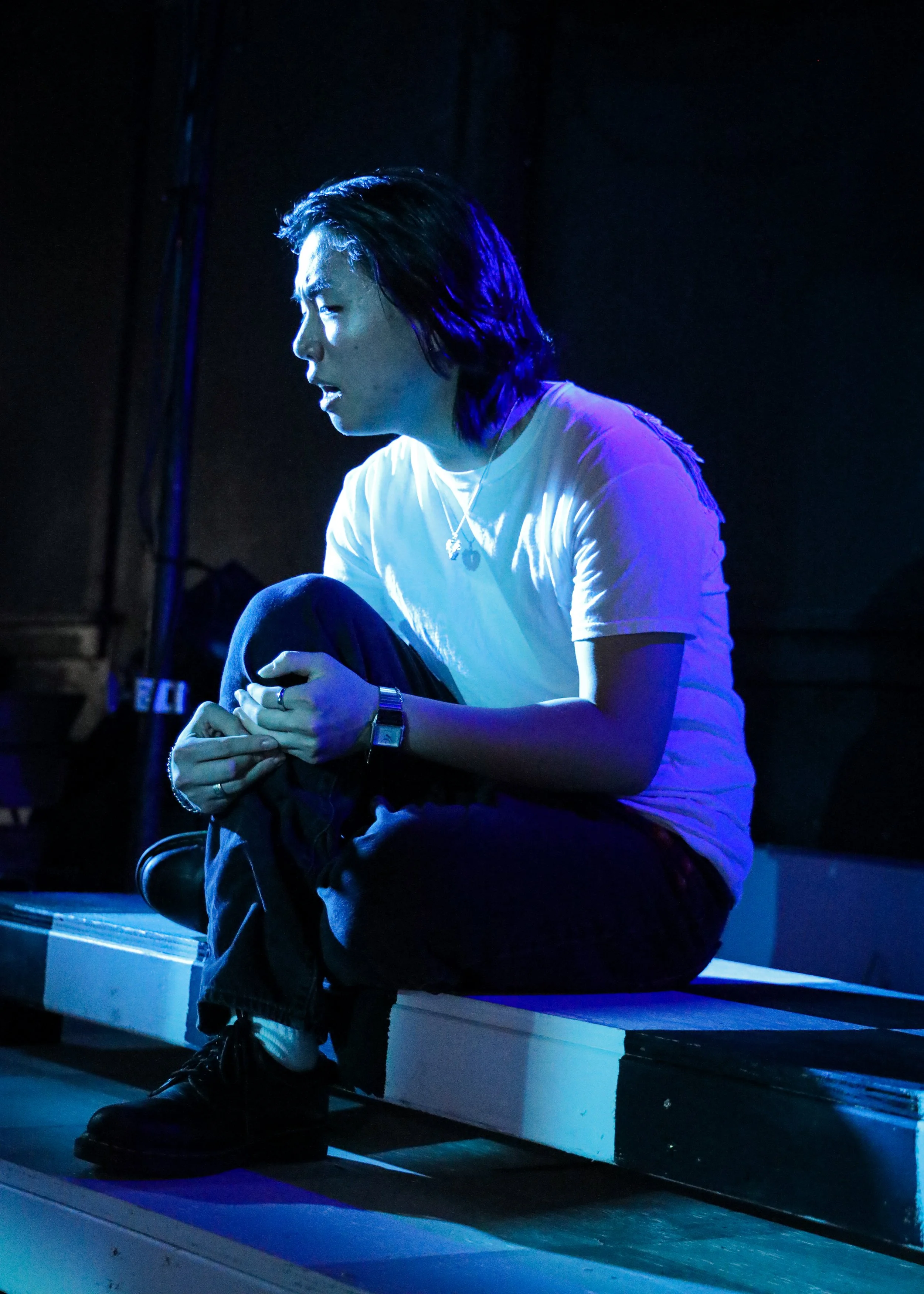
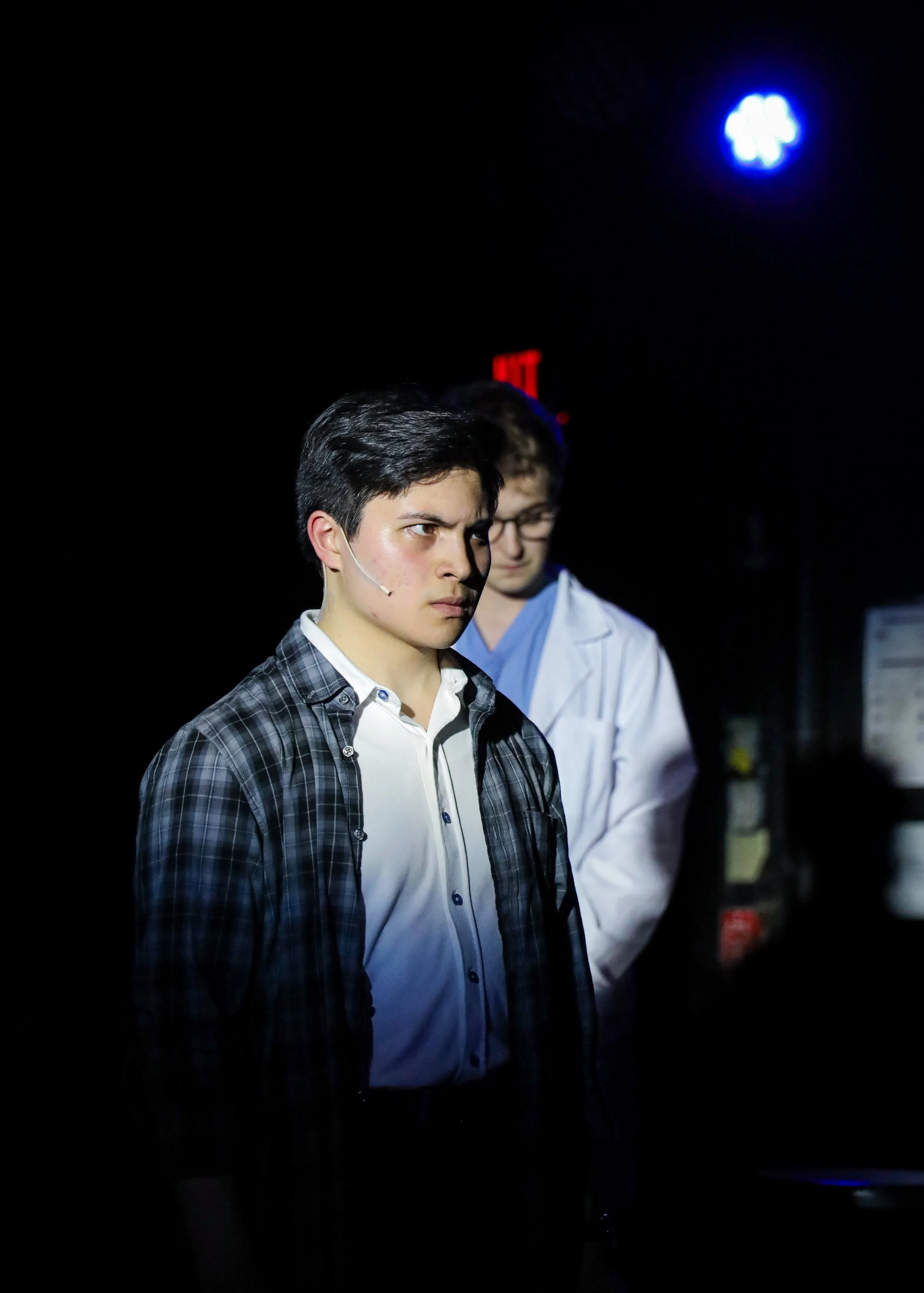
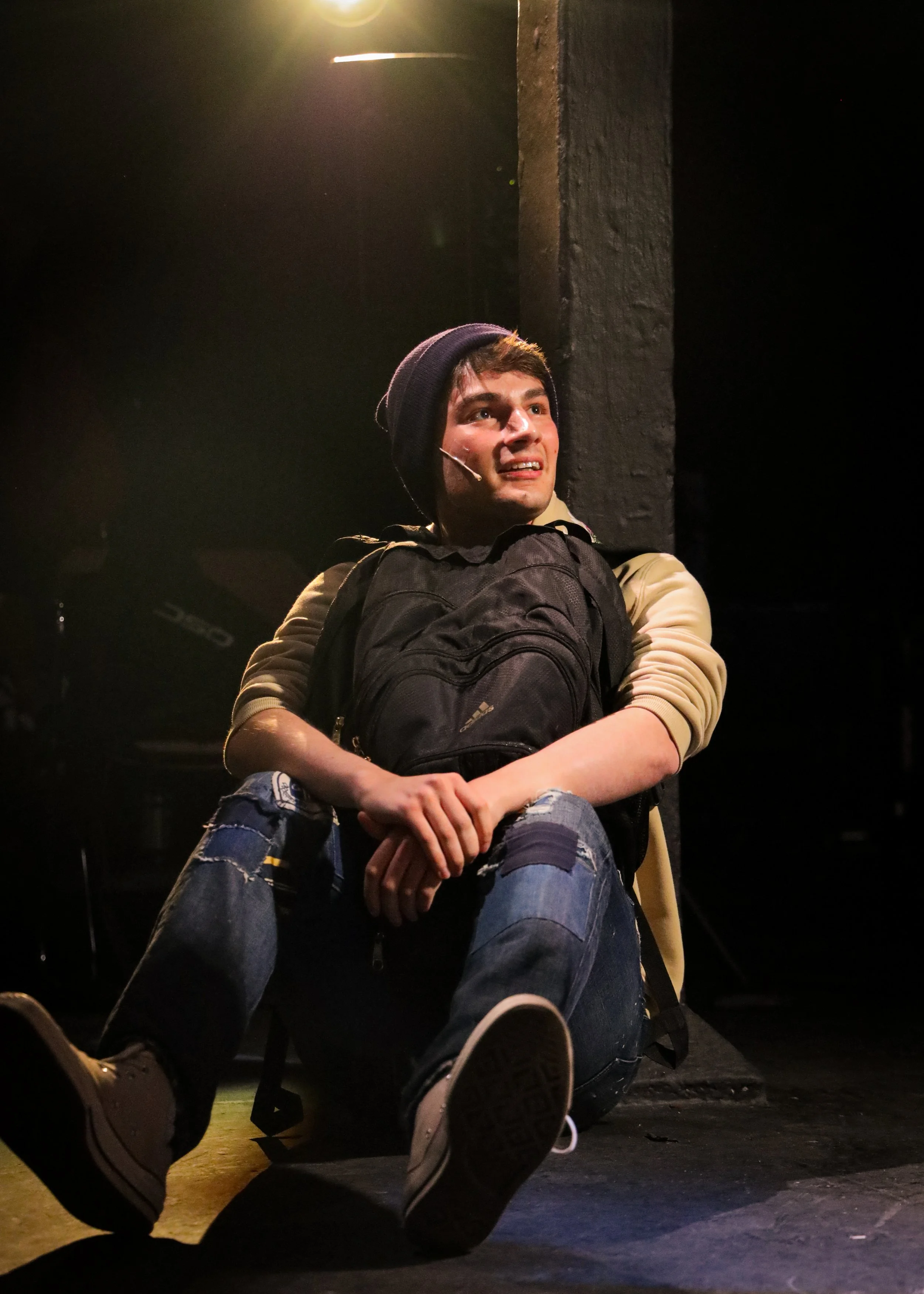
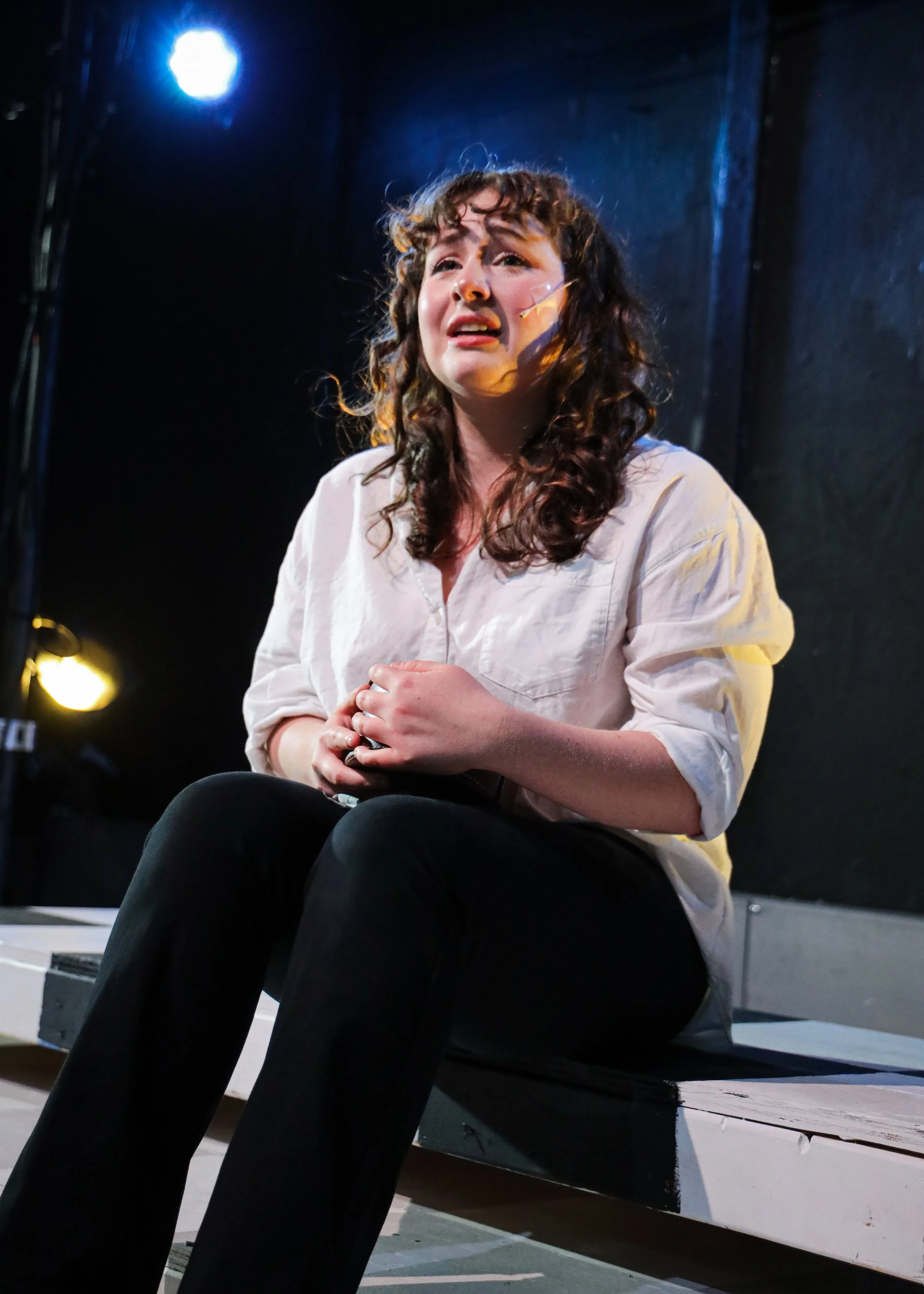
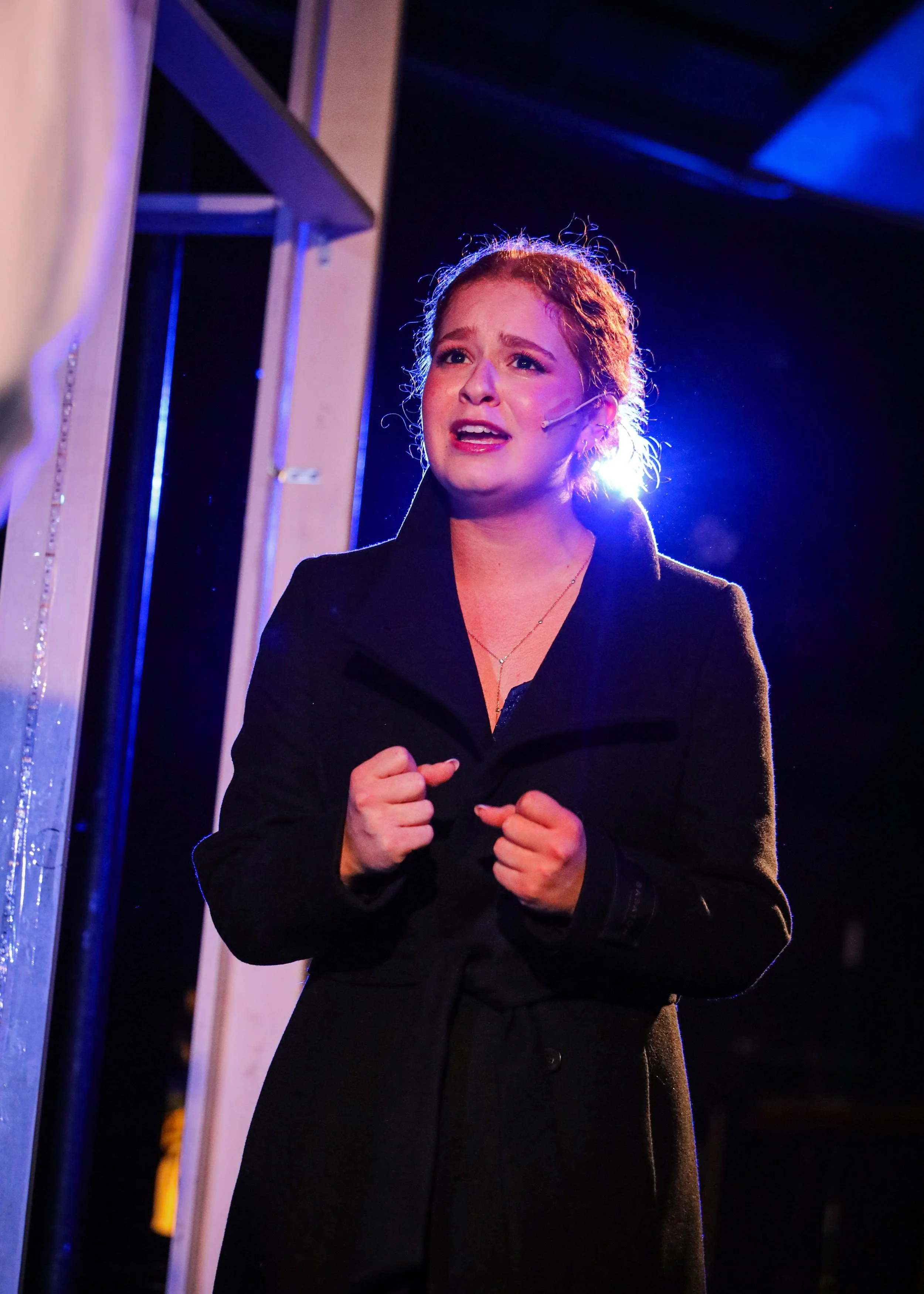
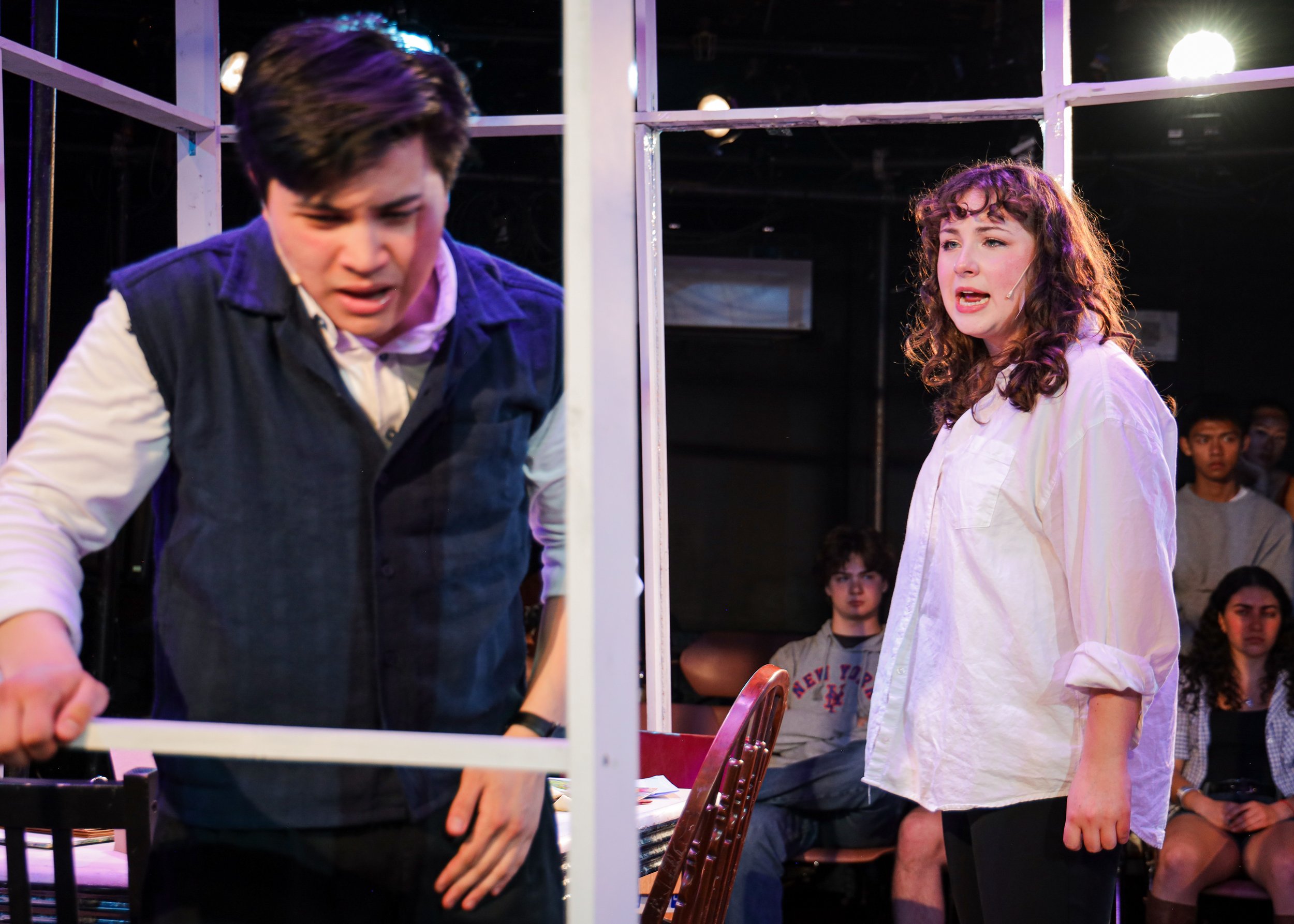
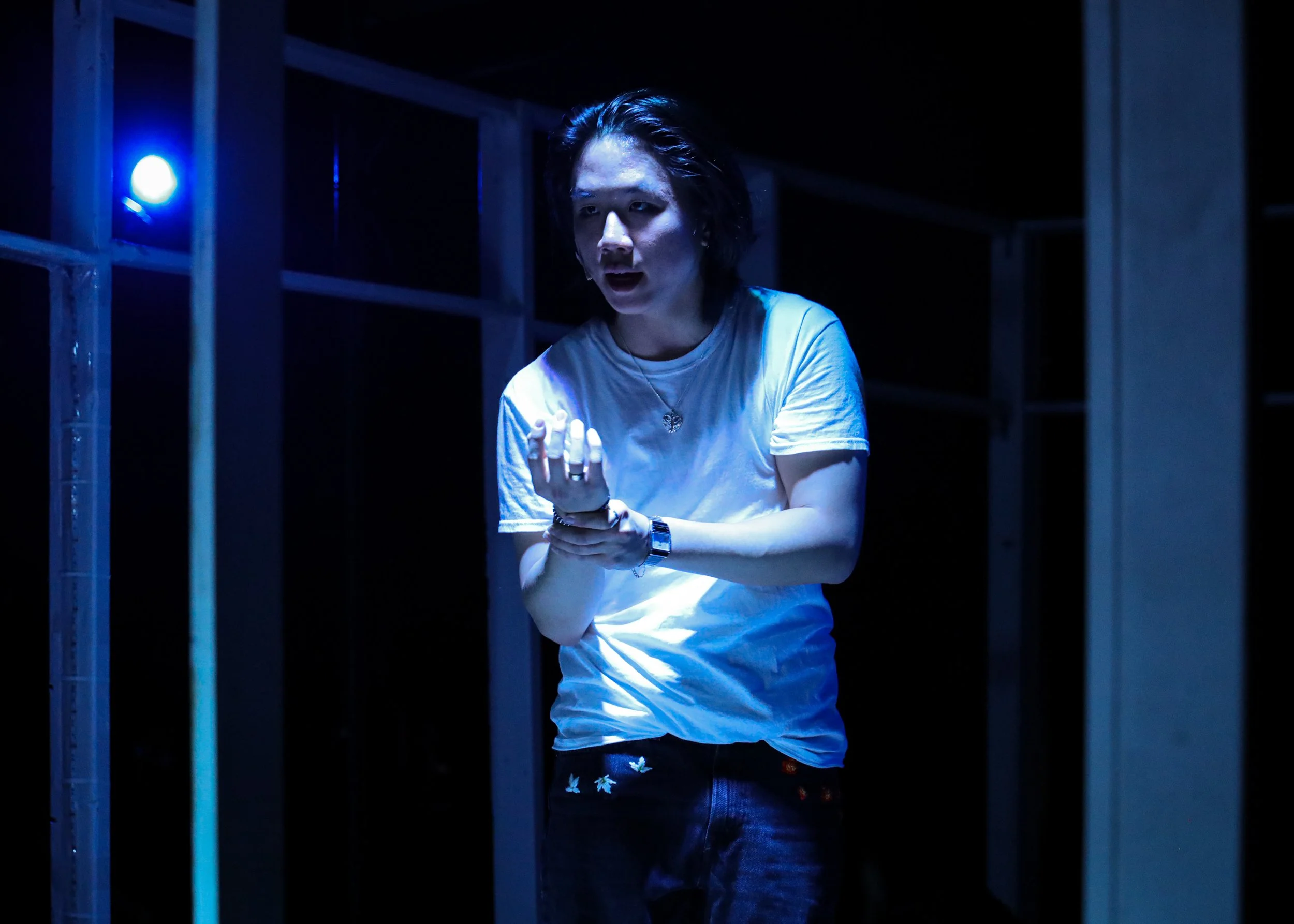
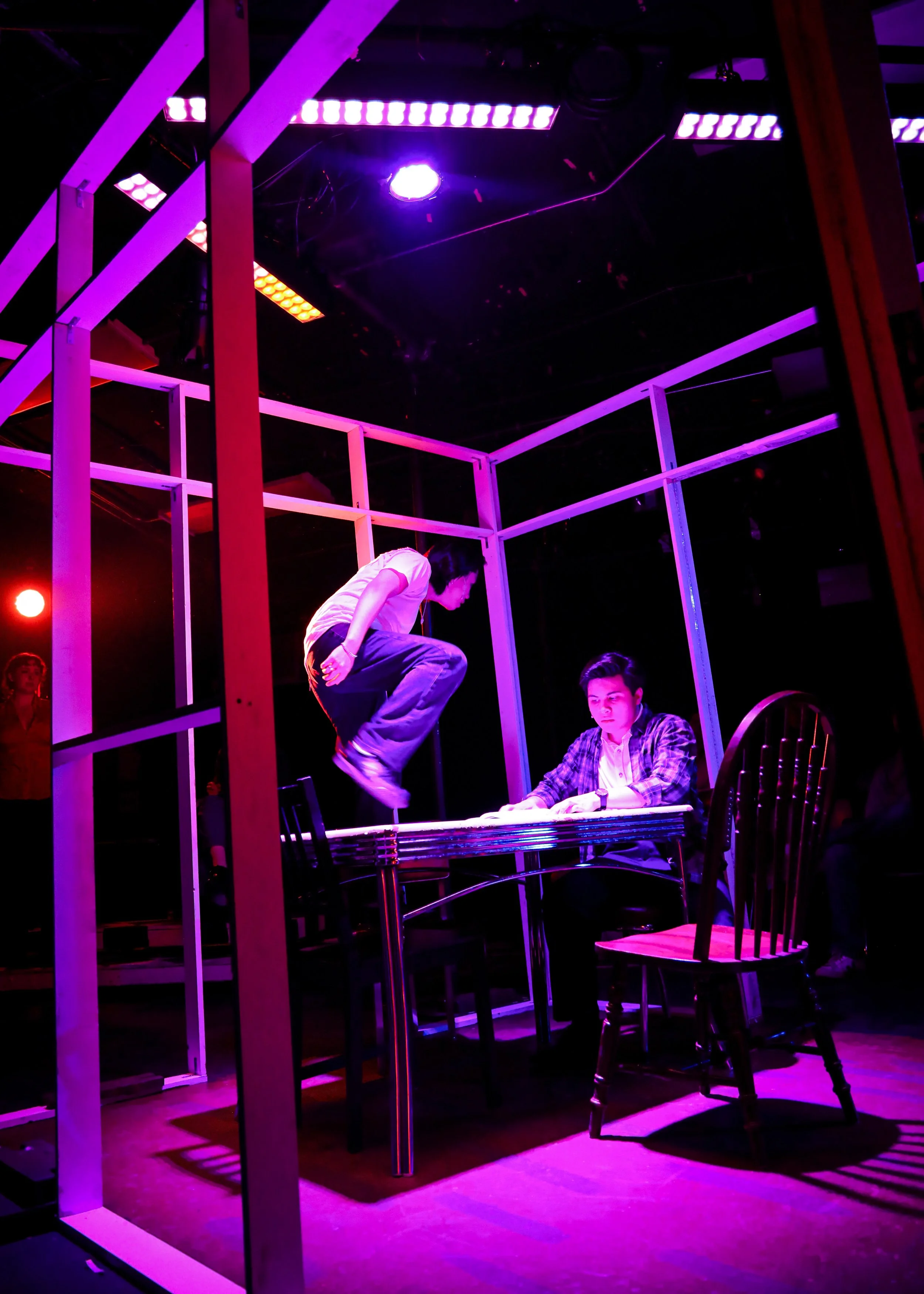
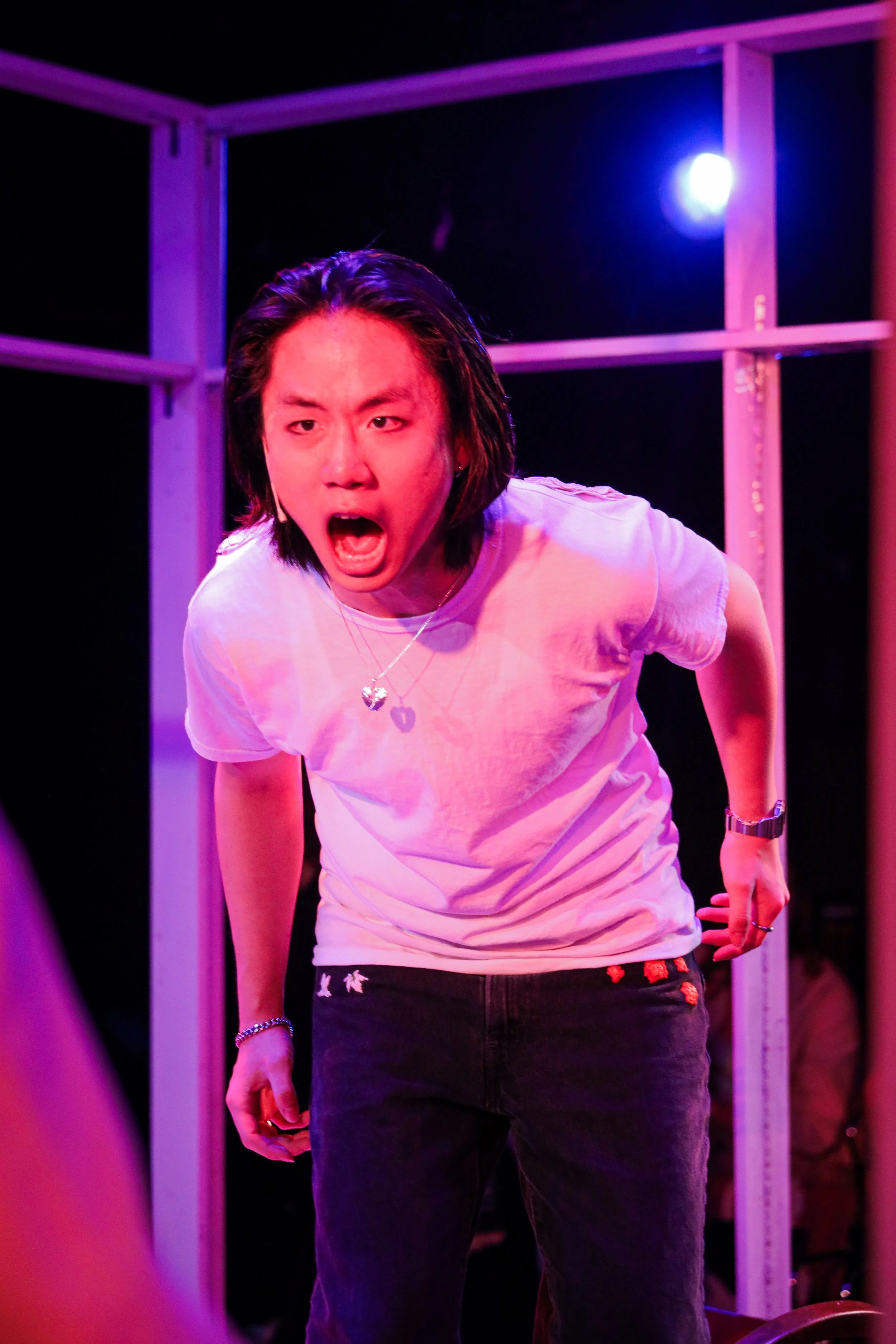
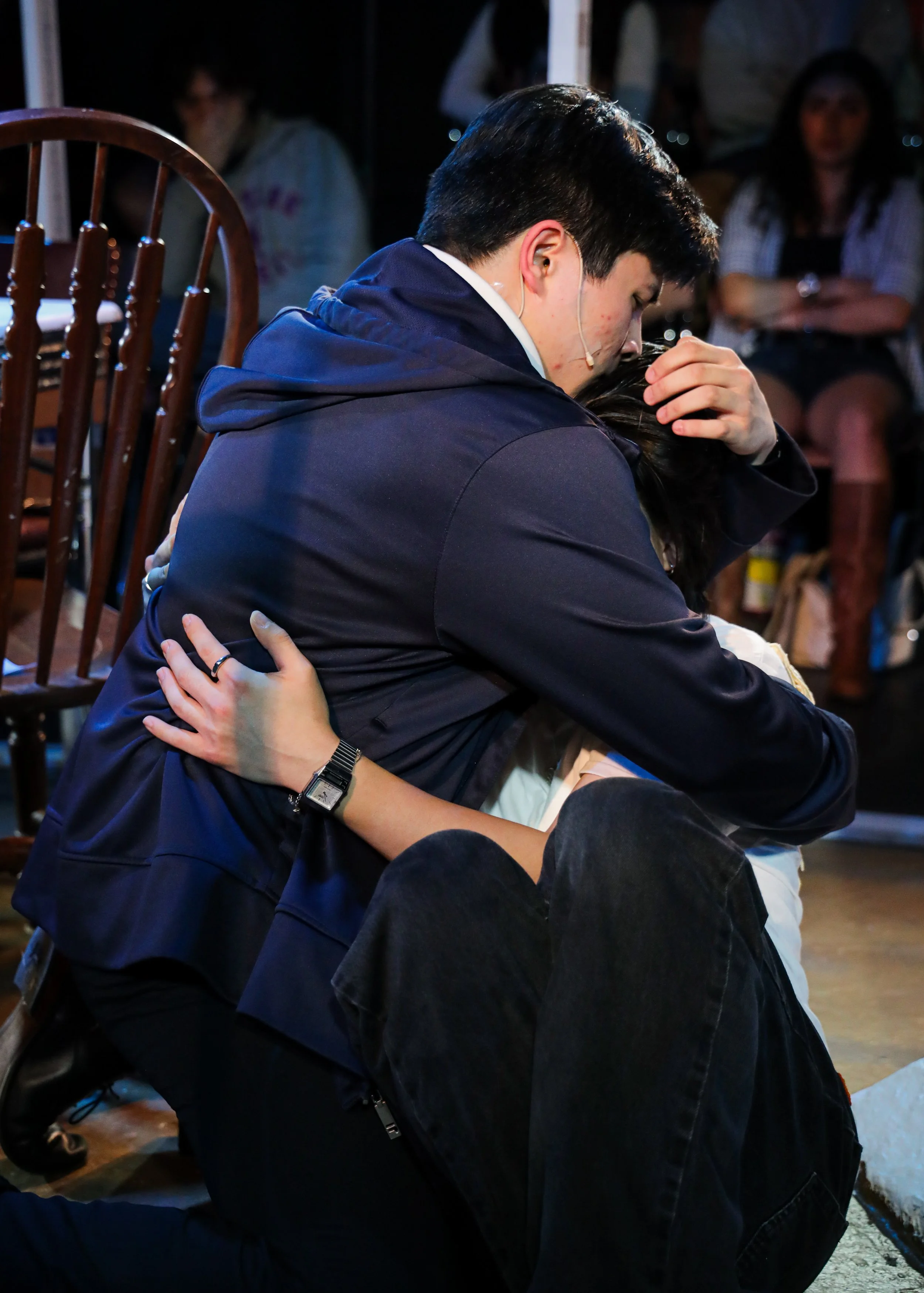
My approach to directing Next to Normal was grounded in the belief that mental illness resists simplification. While contemporary culture has grown more fluent in diagnostic language, lived experience remains deeply personal, isolating, and often impossible to articulate. I treated the piece not as a clinical portrait but as a human story about interconnected systems—family, medicine, memory—all attempting, imperfectly, to hold one another together. Central to my storytelling was the score itself: the music does what dialogue alone cannot, externalizing the “wordlessly loud” interior of Diana’s mind. Its driving rhythms, dissonance, and emotional swells became the architecture of the production, guiding pacing, movement, and emotional escalation. To deepen the audience’s embodied understanding of what Diana endures, I collaborated on an animated lighting design that shifted and pulsed with her psychological state—at times fragmenting the space, at others overwhelming it—so the audience experienced not just observation, but immersion. By resisting villains and easy resolutions, and instead foregrounding nuance and compassion, the production invited audiences to feel the complexity of loving and living alongside mental illness, transforming awareness into empathy.